


There’s a well-known Smiths lyric that goes: I was looking for a job, and then I found a job. Heaven knows, I’m miserable now.
If that isn’t the unofficial anthem of adulthood, I don’t know what is.
Enter Germany — the country that looked at the universal experience of burnout and said, essentially, “Sweetheart, have you tried… a spa?”
Not in a wellness-influencer, turmeric-latte, “identify your core wound” kind of way.
No.
In the insurance-covered, medically-prescribed, government-approved kind of way.
Welcome to the Kur.
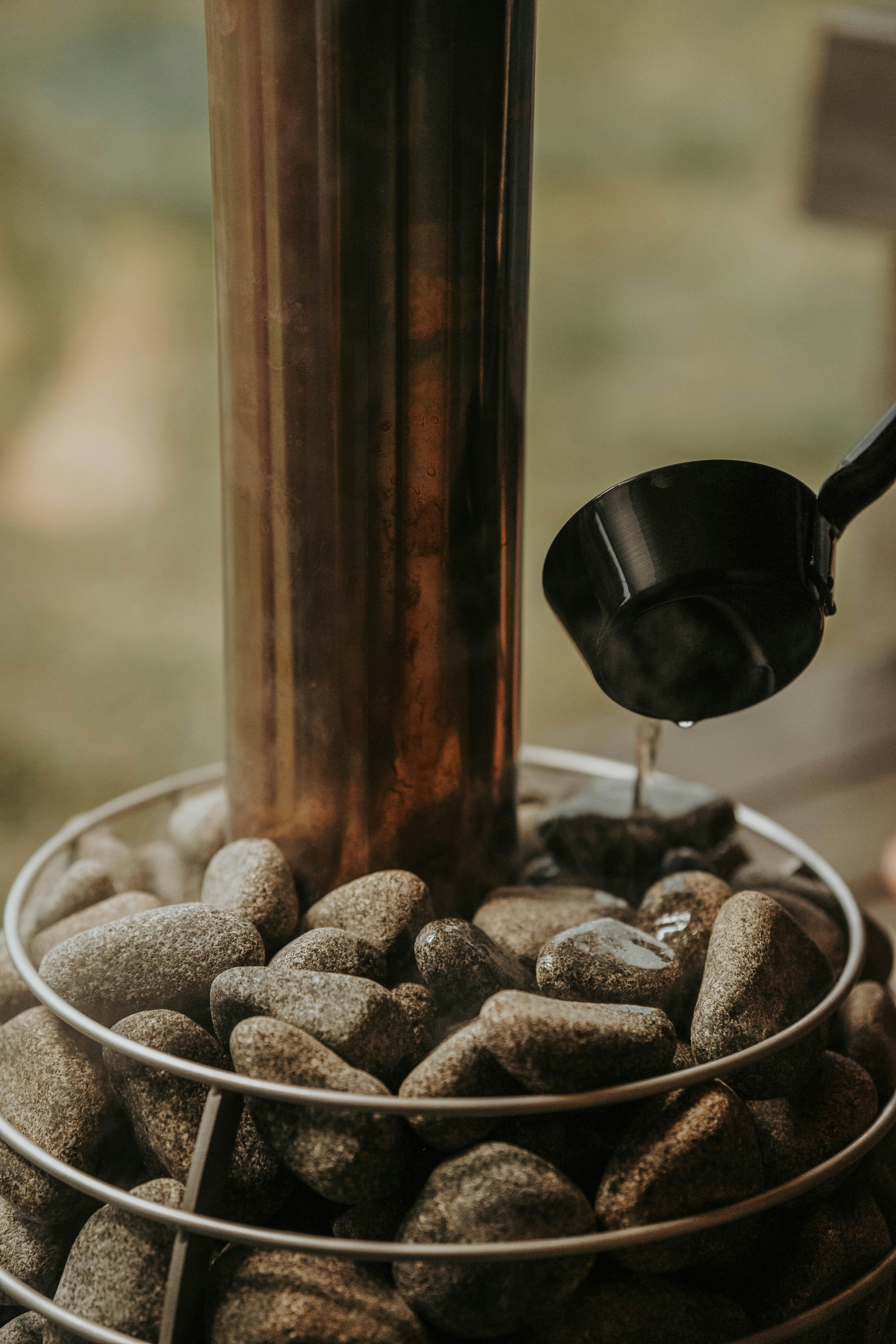
A Kur is one of those charmingly efficient European inventions that sounds fake until you realise an entire bureaucracy exists to process it. If life has been difficult (and by difficult, I obviously mean “your boss discovered the CC button and won’t stop using it”), your doctor can prescribe you a therapeutic spa cure: baths, massages, mineral pools, physiotherapy, steam inhalations, and, I assume, long walks while contemplating whether capitalism was a mistake.
And the best part?
It’s not a luxury.
It’s policy.
The logic is beautifully sound: Why wait for someone to break completely when you can send them to a thermal bath before they smash their laptop against the nearest ergonomic chair?
German public health insurance covers the medical treatment and even throws in a daily stipend for accommodation and meals. Meaning if you’re stressed, exhausted, or have become spiritually allergic to your inbox, you can legally disappear into the Black Forest and soak in mineral water for three weeks — and your employer has to accept your medical note.
Imagine explaining this to someone in the US.
“You’re burned out?”
“Yes.”
“So you’re taking time off?”
“Correct.”
“Is it unpaid?”
“No, it’s medically mandated.”
“Are you going to therapy?”
“No, I’m going to a spa.”
“…like… for fun?”
“No. For my health.”
At this point the American would short-circuit, possibly never to reboot again.

What I love about the Kur system is that it’s the perfect intersection of European practicality and quiet indulgence — the same cultural logic that gave us long lunches, Parisian bakeries, Italian aperitivo, and the Dutch approach to “look, if people are going to do it anyway, we might as well regulate it and tax it.”
It’s not even considered decadent. You tell someone in Germany you’re going on a Kur and they’ll react like you said you’re going to the dentist.
“Oh, a Kur? Nice. Bring slippers.”
There’s a tenderness to it, too — a sort of built-in recognition that people are human, not robots, and certainly not whatever your productivity app thinks you are. It’s an entire country saying, in its quiet, efficient way:
“You deserve to rest before things get dire.”
And honestly?
That might be the most romantic thing Europe has ever done — and this is a continent with Venice in it.